
Child protection is not a topic that can be addressed by one organisation alone. It requires collaboration, shared expertise and a commitment to turning principles into action.
For many years, DERTOUR Group has worked alongside ECPAT International, a global network dedicated to ending the sexual exploitation of children. Together, the partners have helped strengthen child safeguarding across the tourism value chain through training, awareness-raising, policies and practical initiatives in destinations.
To learn more about what this partnership has achieved, where the biggest challenges remain and why child protection matters to the travel industry, we spoke with Gabriela Kühn, Head of Private Sector Engagement and Child Protection at ECPAT International, and Joana Meier, Senior Manager Sustainability at DERTOUR Group.
Partnerships turn commitment into action

A conversation with Gabriela Kühn,
Head of Private Sector Engagement and Child Protection, ECPAT International
DERTOUR Group has been committed to child protection for many years. What made the company stand out to ECPAT?
DERTOUR has been an active member of The Code for many years, integrating the six criteria of The Code through due diligence processes. The company has taken a proactive approach to engaging with local civil society organisations to consult on and better understand the impacts of tourism on children and how best to address them. DERTOUR supports also its employees through tailored child protection training inspired by The Code’s materials, helping staff recognise and respond to child protection risks, while creating a sense of belonging for the staff.
DERTOUR has been openly speaking up about the risks of sexual exploitation of children and the long-lasting impacts of this crime on children that can be prevented through tourism supply chain, demonstrating how this topic needs to be put high on the agendas as part of social aspects of sustainability. The company makes the child protection measures reach all levels of their activity: the staff, the value chain, their customers and the communities where they run their activities.
What have you learned about the tourism industry through your work with DERTOUR Group?
We’ve learned that the strongest partnerships are built with companies whose tourism leaders bring both technical expertise and personal conviction. These leaders proactively identify risks across the sector and design responses, while remaining committed to ending sexual exploitation of children, making it particularly valuable when both aspects are present.
DERTOUR’s leadership in regulating voluntourism and school visits from a child rights perspective sets an important example for the tourism industry. It demonstrated that businesses can move away from practices that are not in the best interests of children while maintaining their commercial competitiveness, encouraging others in the sector to follow suit.
What is one small action that can make a big difference?
No single measure is enough on its own and meaningful change comes through consistent implementation. Conducting risk analysis and impact assessments, developing child protection policies, establishing reporting procedures for staff and business partners, providing guidance for customers and tourists, and consulting with local stakeholders are just a few of the practical actions that, together, create a comprehensive approach.
Embedding child protection into day-to-day operations and decision-making helps prevent harm, strengthens accountability, and delivers lasting positive outcomes for children. It is the accumulation of many smaller practical actions, each one reinforcing the other, that ultimately creates meaningful and lasting change for every child.
If you had to describe DERTOUR Group’s approach to child protection in three words, what would they be?
Cooperation, innovation and vision.
What do partnerships like this make possible?
To tackle the sexual exploitation of children in the context of travel and tourism, we need approaches that prevent risks before they occur in the physical and digital environments. This means creating safer spaces for children while strengthening business accountability across these settings.
Through The Code, ECPAT International brings the voices and perspectives of children and young people from local communities into constructive dialogue with companies, helping them embed child protection into their operations, products and services. ECPAT supports businesses to prevent the sexual exploitation of children before it occurs, while also strengthening their capacity to identify, respond to and report suspected cases when they arise, advocating for creation of protective environments for children in destinations, and offering them opportunities.
Travel and tourism companies can translate ECPAT’s knowledge, expertise and practical tools into concrete action, becoming a vital first line of prevention by recognising risks and acting. Businesses contribute valuable sector-specific knowledge and operational experience that help ECPAT continuously refine its guidance, resources and tools to ensure they are relevant and effective in real-world industry contexts and evolving tourism environment.
DERTOUR demonstrates what this collaborative approach can achieve. Its leadership as a Member of The Code shows how partnerships between businesses and civil society organisations can turn commitments into tangible action creating systemic and sustainable solutions while inspiring wider adoption of child protection measures across the travel and tourism sector.
Child safeguarding is a shared responsibility
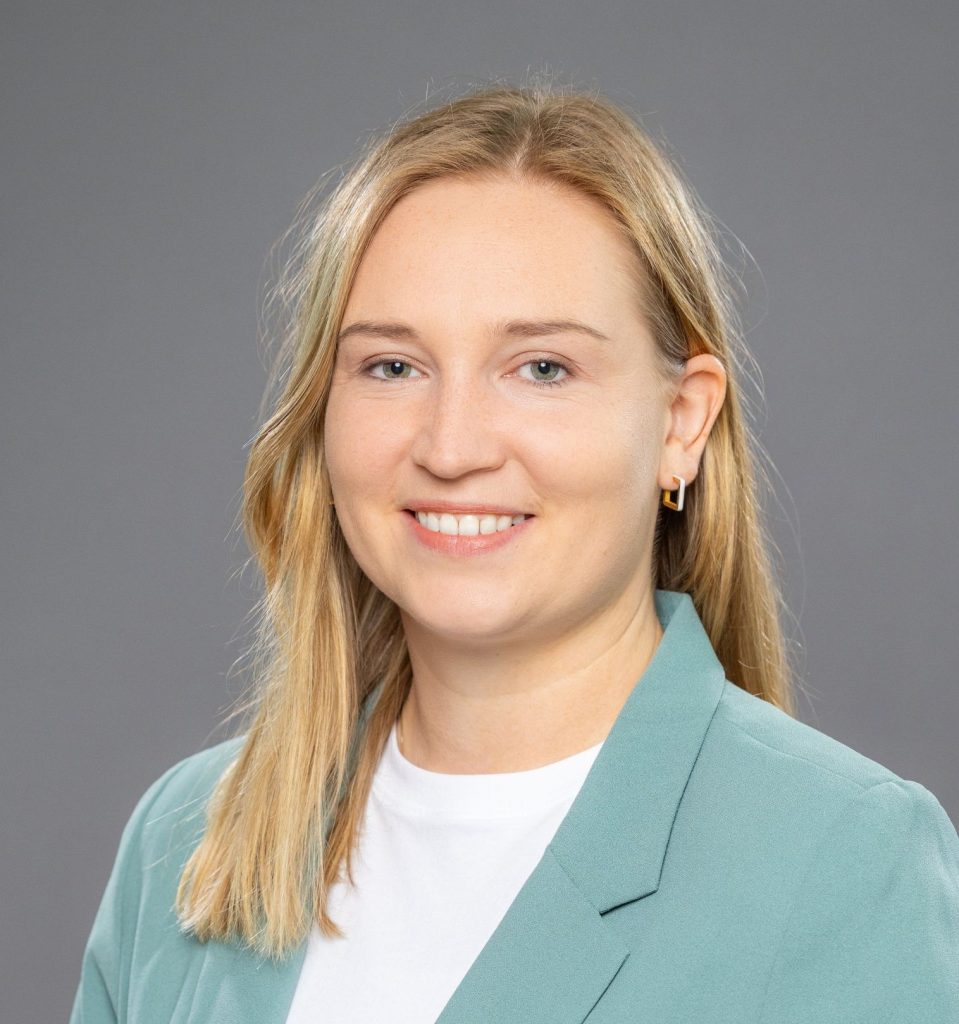
A conversation with Joana Meier,
Senior Manager Sustainability, DERTOUR Group
Why is child protection such an important topic for the travel industry?
Every child has the right to grow up safe, protected and free from exploitation and abuse. Child safeguarding is about protecting these fundamental rights.
As a global industry, tourism connects people, cultures and destinations around the world. Children are particularly vulnerable in tourism because offenders can exploit travel and tourism infrastructures, exposing children to risks such as sexual exploitation, trafficking and other forms of abuse. At the same time, even well-intentioned tourism activities, such as school visits or visits to orphanages, can unintentionally harm children’s wellbeing. I firmly believe that travel should create positive experiences and opportunities for everyone involved – especially for children. That’s the reason why the travel industry has an extraordinary responsibility for child safeguarding.
What is one thing you wish more travellers knew?
I wish more travellers knew that child safeguarding is something we can all contribute to. Being attentive, trusting your instincts and reporting suspicious situations can make a real difference. I also wish more travellers knew about dontlookaway.report, a platform that allows people to report suspicious situations and potentially help protect children.
Responsible travel means being mindful of how our actions affect local communities and children. Awareness is powerful. The more people understand the issue, the better we can all contribute to protecting children.
What makes you most proud when you look at DERTOUR Group’s work in this area?
What makes me most proud is seeing how child safeguarding has evolved from a niche topic into an integral part of our core business. Over the years, we have strengthened our commitments through our Child Safeguarding Statement, our internal policy, our Supplier Code of Conduct, long-standing training initiatives and our engagement with The Code, including being recognized as a Top Member for three consecutive years.
What really stands out to me is how we bring these commitments to life. A great example is our long-running on-site child safeguarding workshops in close collaboration with our Hotel Division, helping to ensure that children are safe in and around our hotels. I am especially grateful to our hotel and DMC colleagues, whose dedication helps turn our child safeguarding commitments into practical action in our destinations.
I am also proud that so many colleagues across functions, brands and countries actively support this work. Protecting children is a shared responsibility, and seeing this commitment grow gives me confidence that we can continue to make a positive impact
What have you learned from working with ECPAT?
We have been working closely with ECPAT for many years, and one of the things I value most is how much we have learned from each other along the way. A great example was the child safeguarding workshop we organized together in Mallorca in 2024, bringing together ECPAT, DERTOUR Group, Destination Touristic Services Spain (our local DMC) and other tourism stakeholders to discuss practical challenges and solutions. Experiences like these show that effective child safeguarding is built on dialogue, shared expertise and collaboration.
I also appreciate that ECPAT is active in many of the destinations where we operate. This allows us to benefit not only from their global expertise, but also from local perspectives and partnerships that help us better understand challenges on the ground. Working with ECPAT has reinforced my belief that meaningful progress is best possible when organizations come together and learn from one another.
What do you hope the travel industry will look like in five years?
As someone who works on this topic every day, my hope is that in five years child safeguarding will be a natural part of responsible tourism across the entire industry. My vision is that every travel company, partner and supplier understands their role in protecting children and has the awareness, training and tools to take action when needed.
I would also love to see even stronger collaboration between businesses, NGOs and destinations. If we continue to learn from one another and share good practices, we can create lasting change and help ensure that children everywhere can grow up safe, respected and full of opportunity.